Source Black Handle Electric Mosquito Swatter for Home, Garden, and Patio
Find 30 listings for the black handle electric mosquito swatter to compare features like rechargeable power, electric shock mechanisms, and pest control types. Buyers can evaluate specifications including dimensions, certifications, and customization options from verified suppliers in China.
Key considerations
Products List


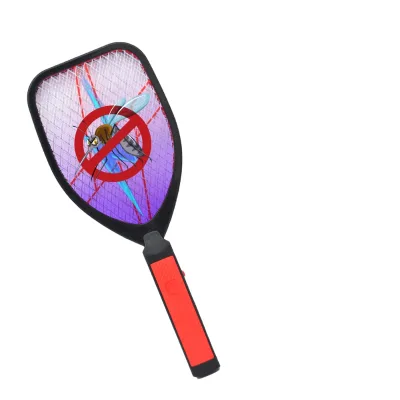
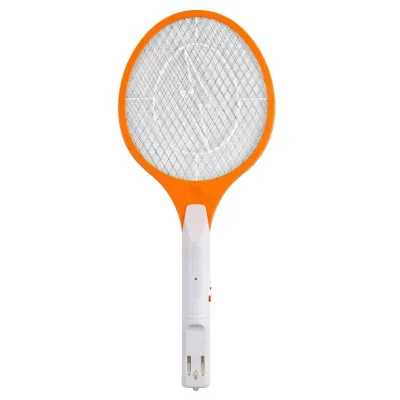
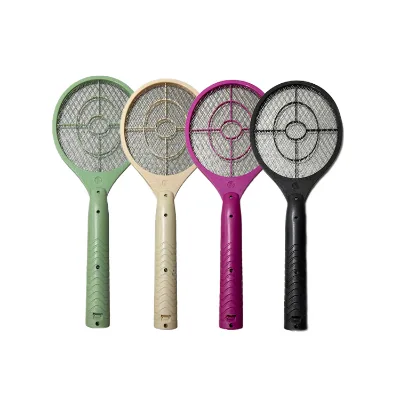
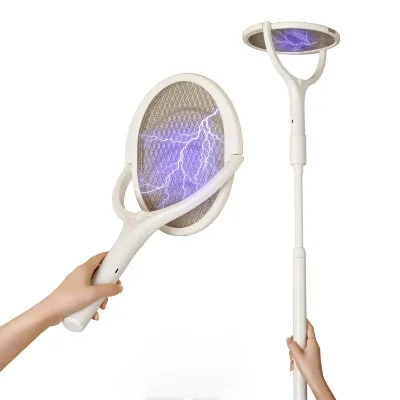


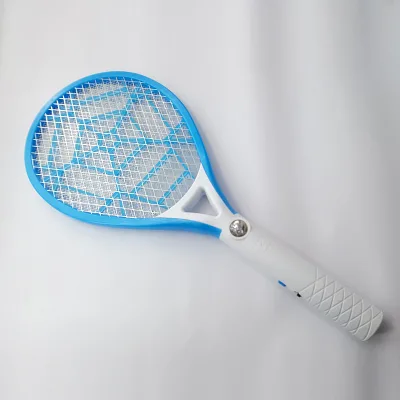
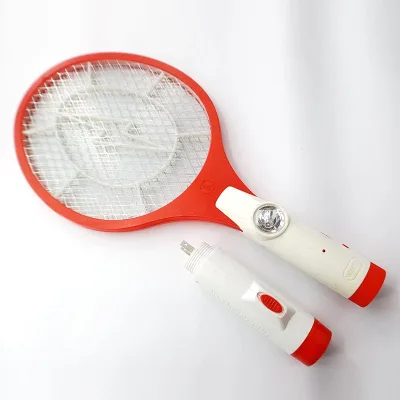
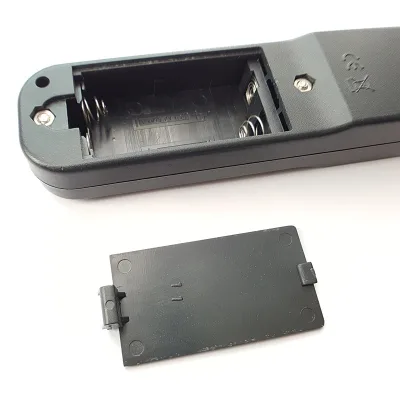


Comprehensive Sourcing Guide
Strategic Sourcing Guide for Black Handle Electric Mosquito Swatters
Understanding Product Variants and Core Specifications
When sourcing a black handle electric mosquito swatter, buyers must first navigate the diverse landscape of product models and technical configurations available in the market. The core keyword implies a specific aesthetic preference, yet the underlying functionality varies significantly across different manufacturers. Based on observed market data, these devices are primarily categorized by their power source and pest control mechanism. The most prevalent types include electric shock swatters and electronic traps, with the former being the direct match for the "swatter" description.
Technical specifications for these units often revolve around dimensions and power requirements. Observed product standards indicate physical dimensions ranging from approximately 21 cm by 51 cm to 53.5 cm by 22 cm. For a black handle variant, the handle length is a critical ergonomic factor, often falling within the 21-53 cm range depending on the model. Power supply is another defining characteristic; while some units operate on batteries, others are designed for electric shock mechanisms that may require rechargeable capabilities. The market data shows that specific models, such as those with the identifier USB-006, suggest rechargeable functionality, whereas others rely on standard battery power sources.
The pest type targeted is consistently mosquitoes, though some broader models also list flies as a target. The design is generally classified as "regular," but customization options are frequently available. Buyers should note that while the core function is insect control, the specific "black handle" attribute may be a subset of a broader color palette that includes red, blue, orange, and green options. When evaluating suppliers, it is essential to verify if the black finish is a standard offering or a custom request, as this impacts the minimum order quantity (MOQ) and lead time. The observed daily output capacity of 36,000 pieces suggests a mature manufacturing base capable of handling volume, but the specific configuration of the black handle must be confirmed against the supplier's current production lines.
Compliance and Certification Verification
In the B2B procurement of electrical pest control devices, compliance is not merely a formality but a critical risk management strategy. The supply chain for electric mosquito swatters is heavily regulated due to the electrical nature of the product and its proximity to human use. Buyers must rigorously verify that the products they intend to source possess valid certifications. The observed market data highlights specific certifications such as CE and RoHS, which are standard requirements for products entering many international markets. Some listings also indicate the presence of CCC (China Compulsory Certification), which is mandatory for products sold within China and often a prerequisite for export to certain regions.
When sourcing a black handle electric mosquito swatter, the certification status must be explicitly checked for each model. For instance, while some models like the NRMS003 or KDMS015 may carry CE and RoHS marks, others might only list CE. It is a common misconception that a single certification covers all product variations; a supplier may have certified the standard model but not the customized black handle version. Buyers should request the specific test reports associated with the exact model number they are purchasing. The absence of a certification on a listing does not necessarily mean the product is non-compliant, but it does require immediate verification before proceeding with an order.
Furthermore, the "High-confidence facts" provided indicate that certifications like CE and RoHS are present in the dataset, but buyers should not assume universal application. The presence of a certification on one model, such as the LTD-209, does not automatically extend to the USB-006 model. Procurement teams must treat certification as a per-model attribute. Additionally, while ISO 9001 is a common background standard for manufacturing quality management, it should not be cited as a product-specific certification without concrete evidence from the supplier. The primary focus should remain on product-level safety certifications that validate the electrical safety and material composition of the swatter, ensuring it meets the regulatory requirements of the destination market.
Cost Drivers and Pricing Structure Analysis
The pricing of electric mosquito swatters is influenced by a complex interplay of factors, including customization, power source, and order volume. The observed price range in the market spans from 1 to 12 USD, a wide variance that reflects differences in quality, features, and order quantities. For a black handle variant, the cost may be slightly higher than standard color options if the black finish requires a specific molding process or additional paint application. Customization is a significant cost driver; while the market data indicates that customization is available, the transition from a "Non-Customized" to a "Customized" product often triggers a change in the MOQ and unit price.
Buyers must analyze the relationship between MOQ and unit cost. The observed MOQ range is vast, extending from 1 piece to 10,000 pieces. This suggests that suppliers offer tiered pricing structures. Small orders, likely at the lower end of the MOQ spectrum, will carry a higher unit cost due to the setup time and lack of economies of scale. Conversely, large orders that meet or exceed the 500-piece threshold, which is a common MOQ observed in the data, may secure a lower unit price. The "500 Pieces" MOQ mentioned in the context is a critical benchmark; orders below this threshold might face significant price premiums or be subject to different shipping terms.
Another cost factor is the power source and rechargeability. Rechargeable models, such as those indicated by the "Rechargeable" attribute, typically command a higher price point than battery-operated versions due to the inclusion of internal batteries and charging circuits. The "USB-006" model, for example, implies a rechargeable design, which adds to the manufacturing cost. Buyers should also consider the packaging costs; while standard cartons are common, custom packaging for a branded black handle swatter will increase the overall landed cost. Finally, the lead time of 7-10 days is a standard expectation, but rush orders or custom designs may extend this timeline, indirectly affecting the cost through expedited shipping fees or production priority charges.
Typical Applications and Usage Scenarios
Electric mosquito swatters with black handles are designed for a variety of residential and commercial applications, primarily focused on pest control in indoor and semi-outdoor environments. The "Applying Space" attribute observed in the market data specifies a range of less than 50 square meters, indicating that these devices are optimized for smaller rooms, bedrooms, living areas, and offices. This size constraint is crucial for buyers targeting specific market segments, such as homeowners or small business owners who require compact solutions. The "Regular" design suggests a standard form factor suitable for general household use, but the black handle adds a modern aesthetic that may appeal to consumers looking for a sleek, non-cluttered appearance.
The primary application is the manual elimination of flying insects, specifically mosquitoes and flies. The "Pest Control Type" is listed as "Swatters," confirming the manual operation method where the user physically strikes the insect with the electric grid. This distinguishes the product from automated traps or lamps, which are also present in the market data. The "Electric Shock Mosquito-killing Lamp" and "Traps" mentioned in the data represent alternative solutions, but the swatter remains the preferred choice for immediate, targeted pest removal. The "Field Life" of 6 months and "Shelf Life" of 2 years are key performance indicators for buyers assessing the longevity of the product in these applications.
In commercial settings, such as hotels or restaurants, the black handle swatter may be preferred for its durability and professional appearance. The "Eco-Friendly" feature noted in the data suggests that these devices are marketed as a chemical-free alternative to insecticides, which is a significant selling point for establishments concerned with environmental impact and guest safety. The "use" attribute explicitly states "insect control," reinforcing the product's primary function. Buyers should consider the ergonomic design of the black handle, which may reduce hand fatigue during extended use in larger spaces or during peak pest seasons. The versatility of the product allows it to be used in various settings, from private homes to public spaces, provided the area does not exceed the recommended size limits.
Supplier Evaluation and Quality Assurance
Selecting the right supplier for black handle electric mosquito swatters requires a thorough evaluation of their capabilities, quality control processes, and track record. The location of the suppliers, primarily in Yiwu, Zhejiang, China, and other parts of Zhejiang, indicates a concentrated manufacturing hub known for its efficiency in producing small electrical appliances. Buyers should verify the supplier's production capacity, with observed daily outputs reaching 36,000 pieces, to ensure they can meet demand during peak seasons. The "OEM: Welcomed" attribute suggests that many suppliers are open to private labeling, which is essential for buyers looking to build their own brand.
Quality assurance is paramount in this category. Buyers must request evidence of the supplier's quality control procedures, including in-line inspections and final product testing. The "Certification" data shows that CE and RoHS are common, but the presence of these marks on the supplier's website does not guarantee that every batch of black handle swatters will be compliant. Buyers should insist on batch-specific test reports. Additionally, the "Customized" attribute indicates that the supplier can modify the product, but this introduces a risk of quality variation. A robust supplier will have a dedicated quality team to ensure that customizations, such as the black handle color, do not compromise the electrical safety or structural integrity of the swatter.
When evaluating suppliers, buyers should also consider their lead times and delivery reliability. The observed delivery date of 7-10 days is a standard benchmark, but delays can occur, especially for customized orders. A supplier with a proven track record of meeting these timelines is preferable. The "Product" attribute, such as "Electric Mosquito Swatter," should be matched with the supplier's specific expertise. Some suppliers may specialize in traps or lamps, so it is crucial to confirm that the supplier has a dedicated production line for swatters. Finally, the "Feature" of being "Eco-Friendly" should be verified through material specifications, ensuring that the black handle and grid components are made from sustainable or non-toxic materials.
Long-Term Procurement and Market Considerations
Sourcing black handle electric mosquito swatters is not just a one-time transaction but a strategic decision that impacts long-term business operations. Buyers should consider the shelf life and field life of the product, which are observed to be 2 years and 6 months respectively. These figures influence inventory management and warranty policies. A supplier with a consistent supply chain ensures that replacement parts or future orders can be fulfilled without significant delays. The "Daily Output" of 36,000 pieces suggests that the market is capable of scaling, but buyers must maintain a relationship with suppliers who can adapt to fluctuating demand.
The customization aspect offers a significant advantage for long-term branding. As the market evolves, consumer preferences for aesthetics, such as the black handle, may shift. A supplier that supports "Customized" orders allows buyers to pivot their product offerings without changing manufacturers. However, this flexibility comes with the need for careful management of MOQs and lead times. Buyers should negotiate contracts that allow for flexible order quantities to mitigate the risk of overstocking or stockouts. The "Color" options observed, including red, blue, orange, and green, indicate that the black handle is one of several choices, and buyers should monitor market trends to determine if the black finish remains a top seller.
Finally, the regulatory landscape for electrical pest control devices is dynamic. Certifications like CE and RoHS may be updated, and new standards may emerge. A forward-thinking procurement strategy involves staying informed about these changes and ensuring that the supplier is proactive in maintaining compliance. The "Standard" dimensions observed, such as 2151cm or 53.522cm, may also evolve as ergonomic designs improve. Buyers should establish a feedback loop with their suppliers to incorporate user insights into future product iterations. By focusing on these long-term considerations, buyers can build a resilient supply chain that delivers high-quality black handle electric mosquito swatters consistently, meeting both current market demands and future regulatory requirements.
FAQs
What certifications do black handle electric mosquito swatters have?
Many models carry CE and RoHS certifications, with some including CCC marks. Buyers must verify specific certification status for each model number, as compliance is not universal across all variations or customizations.
Can I order customized black handle electric mosquito swatters?
Customization is available for these products, allowing for specific color and design requests. However, custom orders often trigger higher minimum order quantities and may extend the standard delivery timeline beyond the typical seven to ten days.
What is the typical lead time for these mosquito swatters?
The standard delivery date for these products ranges from seven to ten days. This timeline applies to standard orders, but customized requests or large volume purchases might require additional processing time from the manufacturer.
Which power sources are used for electric mosquito swatters?
These devices operate using either batteries or electric shock mechanisms with rechargeable capabilities. Specific models like USB-006 indicate rechargeable functionality, while others rely on standard battery power sources for operation.
What are the physical dimensions of these mosquito swatters?
Product standards indicate dimensions ranging from approximately 21 by 51 cm to 53.5 by 22 cm. Buyers should check specific model numbers to confirm exact sizes, as dimensions vary across different product lines and designs.
What is the minimum order quantity for these products?
The minimum order quantity ranges from one piece to ten thousand pieces depending on the supplier. A common benchmark observed is 500 pieces, though smaller orders are possible and may incur higher unit costs.